English
 Español
 Deutsch
 日本語
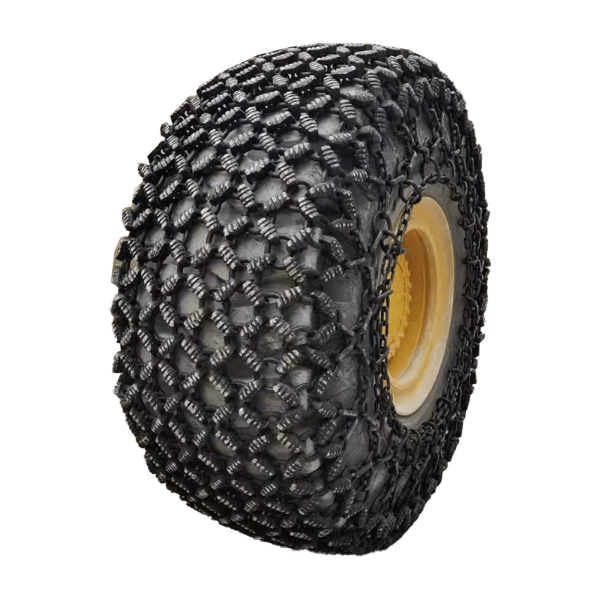
日本語In high-intensity industrial environments—ranging from underground mining to hot-slag handling—the integrity of pneumatic tires is constantly threatened by sharp rock fragments, extreme temperatures, and abrasive surfaces.これらのリスクを軽減するには、 タイヤ保護チェーン は標準的な慣行です。ただし、これらのシステムの有効性は主にチェーンリンクの冶金学的組成によって決まります。
タイヤ保護における材料科学の役割
タイヤ保護チェーンは、犠牲的でありながら弾力性のあるバリアとして機能します。摩耗に耐える硬度と、破損することなく高エネルギー衝撃を吸収する靭性の独自の組み合わせを備えていなければなりません。 While both alloy steel and manganese steel are utilized in the industry, their crystalline structures and mechanical responses to stress differ significantly.
マンガン鋼:加工硬化特性
マンガン鋼はハドフィールド鋼とも呼ばれ、マンガン含有量が高い (通常 12% ~ 14%) ことが特徴です。タイヤ保護チェーンの主な利点は、その顕著な加工硬化能力です。
When subjected to heavy impact or high pressure, the surface of manganese steel undergoes a phase transformation that increases its local hardness.一方、内部コアは延性を維持し、優れた衝撃吸収性を発揮します。 This makes manganese steel an ideal candidate for environments where the primary threat is high-impact fragmentation rather than pure sliding abrasion.
合金鋼: 設計された精度と一貫性
Alloy steel chains are manufactured by introducing specific elements such as chromium, molybdenum, and nickel into the carbon steel base, followed by sophisticated heat treatment processes.マンガン鋼とは異なり、合金鋼はその硬度を達成するために衝撃のみに依存しません。焼入れと焼き戻しにより、材料は断面全体にわたって均一な硬度に達します。
In a tire protection chain, alloy steel offers superior resistance to “polishing” or sliding wear, which is common in open-pit mining or marble quarries. The controlled grain structure of alloy steel provides a predictable wear life, allowing maintenance supervisors to schedule replacements with higher accuracy.
比較テクニカル分析
The following table outlines the primary mechanical differences between these two materials when applied to the construction of a tire protection chain:
| 特徴 | マンガン鋼 | 合金鋼 |
|---|---|---|
| 一次強化機構 | 衝撃下での加工硬化 | 熱処理(焼き入れ・焼き戻し) |
| 表面硬度 | 運用中増加 | インストール時から一貫している |
| 延性 | 非常に高い | 中~高 (最適化) |
| 耐摩耗性 | 高 (衝撃がある場合) | 例外的(影響がなくても) |
| 温度安定性 | 限定的(低温では脆くなる) | 高 (気候を問わず多用途) |
| 理想的な環境 | 鋭く重い岩石の発破 | 研磨、砂、またはホットスラグの状態 |
構造の完全性とリンクの設計
The performance of a tire protection chain is not merely a result of the raw material, but how that material responds to the manufacturing process.
鍛造性: 一般に合金鋼は、鍛造プロセス中の一貫性が優れています。 This ensures that every link in the tire protection chain has a uniform density, reducing the likelihood of “weak links” that could lead to catastrophic failure under tension.
溶接と組み立て: マンガン鋼は、過度の熱により強化された構造が脆い状態に戻る可能性があるため、溶接が難しいことで有名です。 Alloy steel, while requiring precise pre-heating and post-cooling protocols, is more adaptable to modern automated welding techniques, resulting in a more reliable mesh for the tire protection chain.
運用上の考慮事項: 適切な材料の選択
タイヤ保護チェーンに適切な材料を選択するには、運用現場を徹底的に監査する必要があります。
- 衝撃と摩耗: If the equipment is working on a soft but abrasive floor (like sandstone), a manganese steel tire protection chain may never reach its full hardness potential because the impact levels are too low to trigger work-hardening.このシナリオでは、チェーンが早期に摩耗してしまいます。ここでは合金鋼が優れた選択肢となります。
- 熱負荷: 製鉄所のスラグや炉環境を含む用途では、周囲温度が標準鋼を軟化させるレベルに達する可能性があります。クロムを豊富に含む特殊合金鋼は、標準的なマンガン変種よりも高い閾値で構造特性を維持します。
結論
タイヤ保護チェーンの進化は冶金学の進歩の証です。 While manganese steel remains a robust choice for high-impact environments where the material can “self-strengthen” during use, alloy steel has emerged as the versatile gold standard for most modern industrial applications. By offering uniform hardness, superior tensile strength, and predictable wear patterns, alloy steel ensures that heavy machinery remains operational in the world’s most unforgiving terrains.
Ultimately, the technical superiority of a tire protection chain is measured by its ability to reduce the total cost of ownership through extended tire life and minimized downtime, a goal achieved only through the precise application of material science.